

Sliding panoramic doors are a rapidly increasing architectural element in modern homes and offices, providing expansive views, light, and seamless indoor-outdoor access. Whether renovating your house or constructing one, selecting the most appropriate frame material is the key to ensuring durability, appearance, energy efficiency, and overall performance. Below is a step-by-step explanation of the most critical factors and leading materials that will guide you into making the perfect frame for your panoramic sliding doors.
Comprehending the Function of Frame Material
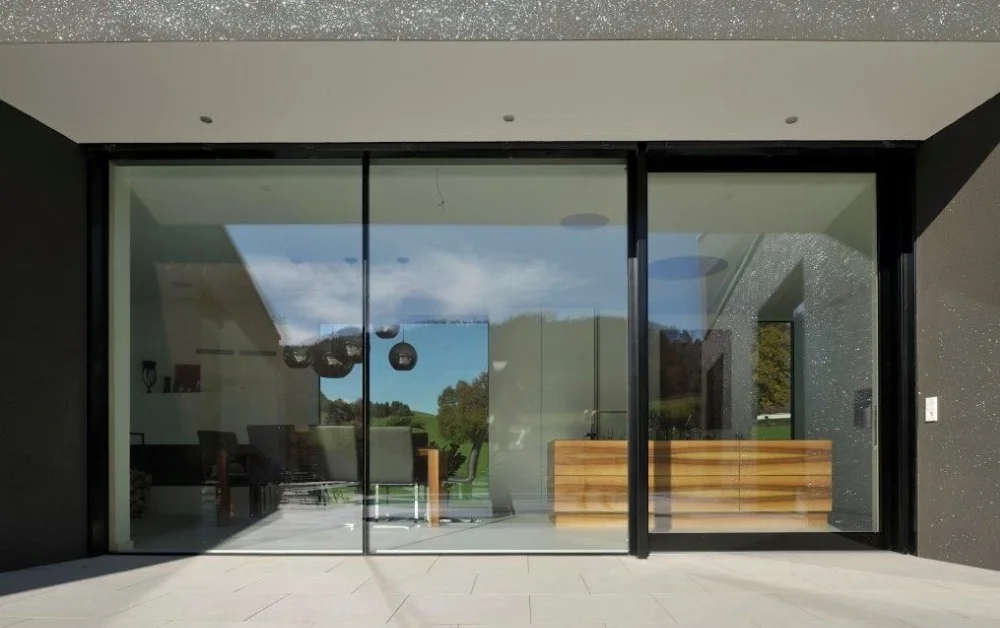
The frame material of panoramic sliding doors is critical in functionality and aesthetics. It plays a role in everything from integrity to thermal performance and servicing requirements. Since panoramic sliding doors are generally spanned across large openings, the material must be strong enough to support extensive glass panels while maintaining sightlines as minimal as possible for maximum view.
The material also affects energy efficiency, security, weather resistance, and usability. Hence, it’s essential to know the advantages and disadvantages of each choice before making a decision.
Key Factors to Consider When Choosing a Frame Material
Before we go into the materials, here are some key factors that you should take into consideration:
- Durability: Will the material resist weather conditions, corrosion, and wear over time?
- Maintenance: Does the frame need to be repainted, sealed, or cleaned often?
- Thermal Efficiency: How effective is the material at insulating and decreasing heat transfer?
- Aesthetic Appeal: Does it match the overall style of your home or building?
- Budget: What is your budget, including installation and extended maintenance?
- Size and Weight Support: Can the frame hold large, heavy glass panels without sagging?
Most Common Frame Materials for Panoramic Sliding Doors
1. Aluminum
Aluminum is one of the favorite materials for panoramic sliding doors, especially in contemporary designs.
Benefits:
- A slim and contemporary look with slim sightlines.
- Strong and lightweight—ideal to hold large glass panels.
- Rust- and corrosion-proof.
- Low maintenance.
Drawbacks:
- Loses thermal performance unless equipped with a thermal break.
- It is expensive compared to uPVC.
Suits:
Contemporary homes and commercial complexes focusing on appearances and low maintenance.
2. uPVC (Unplasticized Polyvinyl Chloride)
uPVC is cost-effective and energy-efficient, gaining popularity in domestic usage.
Advantages:
- Excellent thermal insulation.
- Lower cost than aluminum or wood.
- Low maintenance and insect and moisture-proof.
Disadvantages:
Thicker profiles that reduce glass area exposure.
Lower structural strength, restricting panel size.
Prone to warping or color change when subjected to extreme heat.
Ideal For:
Homeowners who desire cost-cutting in moderate climates need energy efficiency.
3. Timber (Wood)
Timber frames offer natural beauty and warmth, thus a classic choice for homes with rustic or traditional designs.
Strengths:
- Excellent thermal performance.
- Aesthetic appeal with variable finishes.
- Renewable when harvested sustainably.
Weaknesses:
- Requires regular maintenance like painting or sealing.
- Prone to moisture damage, rotting, or insect attacks.
- Heavier and perhaps needing more substantial support.
Suitable For:
Traditional, rustic, or heritage buildings where appearance and insulation are the top priority.
Explore more-Why Panoramic Sliding Doors Are Ideal for Balconies and Patios
4. Composite (Aluminum-Clad Timber)
Composite frames combine the best of multiple materials, typically a wood core clad with aluminum.
Benefits:
- Robust structural support and high levels of insulation.
- It has a low-maintenance exterior but a beautiful interior wood finish.
- Robust and durable.
Disadvantages:
- Higher cost than single-material solutions.
- Limited customization from manufactured construction.
Perfect For:
Homeowners requiring low maintenance, beauty, and balance in performance.
5. Steel
Steel frames are used in high-end architectural work where strength is the prime requirement, and minimal design is necessary.
Benefits:
- Greater strength offers ultra-slim profiles.
- Durable and long-lasting.
- Creates an industrial, high-end look.
Downsides:
- Expensive and weighty—expert fitting needed.
- Bad insulator unless thermally broken.
- It can require rust protection treatment.
Best For:
Luxury homes or business properties looking for ultra-trendy aesthetics and large glass expanses.
Which Frame Material is Best for You?
The best frame material for your panoramic sliding doors will depend on your priorities:
- For easy maintenance and a modern look, Use aluminum.
- For energy and cost efficiency, Choose uPVC.
- For warmth and long-term good looks, Choose wood.
- For a blend of appearance and performance, Choose composite.
- For narrow profiles and strength, Choose steel.
And don’t forget the local climate in your area. For instance, aluminum may not be ideal in icy regions unless thermally broken, while wood may not be as good in damp climates without regular maintenance.
Conclusion
Choosing the right frame material for panoramic sliding doors is not just a matter of style—it’s a decision about your property’s value, comfort, and functionality.
By carefully weighing factors such as durability, energy efficiency, maintenance needs, and cost, you can select a frame material that will enhance your architectural design and meet your lifestyle needs.
Whether your interest is minimalist aluminum frames for modern flair, the traditional comfort of wood for ageless beauty, or the functionality of steel for constructing strength, your choice will affect your sliding doors’ appearance and functionality for many years to come.