

As architecture continues to evolve, so do the door systems that connect our living spaces. Homeowners and designers today are looking for solutions that not only save space but also enhance the look and feel of a room. Among the many choices out there, slim folding doors have become a standout option. These doors combine sleek design with superior performance. But what makes them different from traditional folding systems? Let’s break down the key differences so you can make a more informed choice.
A More Minimal and Elegant Design
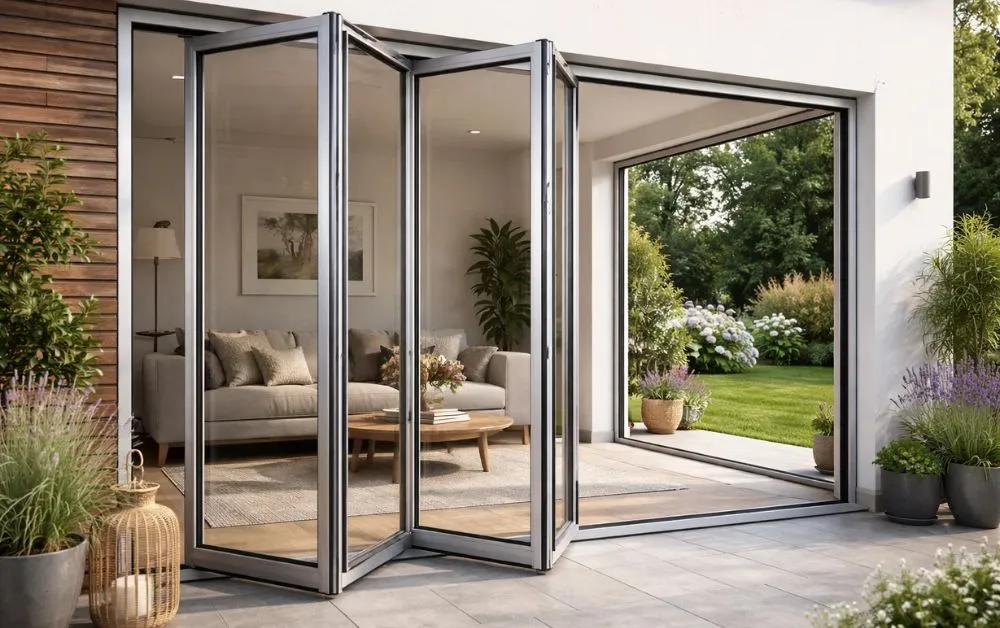
The first thing you’ll notice about doors is their sleek, minimalistic design. These systems feature narrower frames, giving them a cleaner, more modern look.
Why this matters:
- Thinner frames give the doors a sleek, streamlined finish.
- Larger glass panels provide uninterrupted views, making the space feel more open.
- The overall modern aesthetic fits perfectly with minimalist interiors.
Traditional folding doors often come with bulkier frames, which can block your view and make the design feel heavier. Doors, on the other hand, offer a much lighter, more airy vibe.
Enhanced Natural Light and Visibility
One of the standout features of doors is how much more glass surface area they offer. With a slimmer profile, they let more natural light pour into your home, brightening up the space and creating a more welcoming atmosphere.
Why this is a game-changer:
- More natural light means brighter interiors without relying on artificial lighting.
- They help create a seamless flow between indoor and outdoor areas.
- You get that open, spacious feel that makes rooms feel larger.
Traditional folding doors often have thicker frames, which can block light and reduce the feeling of openness in a room. Doors bring in more light, making your home feel more vibrant and connected to the outdoors.
Improved Space Utilization
Both slim and traditional folding doors are designed to fold and stack, but slim designs really take space efficiency to the next level.
Here’s how they make a difference:
- Doors stack more compactly, taking up less room when opened.
- They create less visual obstruction when fully open, giving a cleaner, more open look.
- They are ideal for smaller or modern layouts where space is at a premium.
Traditional folding doors still save space compared to swing doors, but they may not offer the same sleek, compact stacking or seamless transition from one area to another.
Advanced Materials and Engineering
Modern doors are crafted using high-quality, advanced materials that provide strength without adding unnecessary bulk.
Benefits of these materials include:
- Lightweight yet durable frames that are built to last.
- Corrosion resistance that helps maintain the doors’ appearance over time.
- Long-lasting structural integrity, so your doors stay strong & functional.
On the other hand, traditional systems often use heavier materials, which can make them harder to operate and impact their long-term durability.
Related read:-Elegant Sliding Glass Doors: The Perfect Fit for Modern Living
Smoother and Quieter Operation
Another major advantage of doors is their smooth, quiet operation. Thanks to improved track and roller mechanisms, these doors glide effortlessly.
What sets them apart:
- They offer effortless sliding and folding, so opening and closing is a breeze.
- Reduced noise during operation, creating a quieter, more peaceful environment.
- Better alignment and stability over time, so they continue to perform well for years.
Traditional folding doors can sometimes feel heavier or require more effort, especially as they age.
Better Thermal and Acoustic Performance
In addition to looking good, doors are also designed with comfort in mind. They often include advanced sealing and glazing options that improve both thermal and acoustic performance.
Why this matters:
- Improved insulation helps with temperature control, keeping your home cooler in summer and warmer in winter.
- They help reduce external noise, making your home feel quieter and more comfortable.
- Enhanced energy efficiency helps lower heating and cooling costs.
Older or traditional systems may not offer the same level of insulation, which can affect indoor comfort and increase energy bills.
Customization and Flexibility
Modern doors are incredibly versatile and customizable, allowing homeowners to tailor their doors to fit their specific wants.
Options to consider:
- Multiple panel configurations to suit different room layouts.
- A variety of finishes and colors to match your interior style.
- Different glass types for privacy or enhanced performance.
This level of customization gives you more freedom to create the perfect door system for your home or office, something traditional folding systems might not be able to offer.
A Modern Solution for Contemporary Living
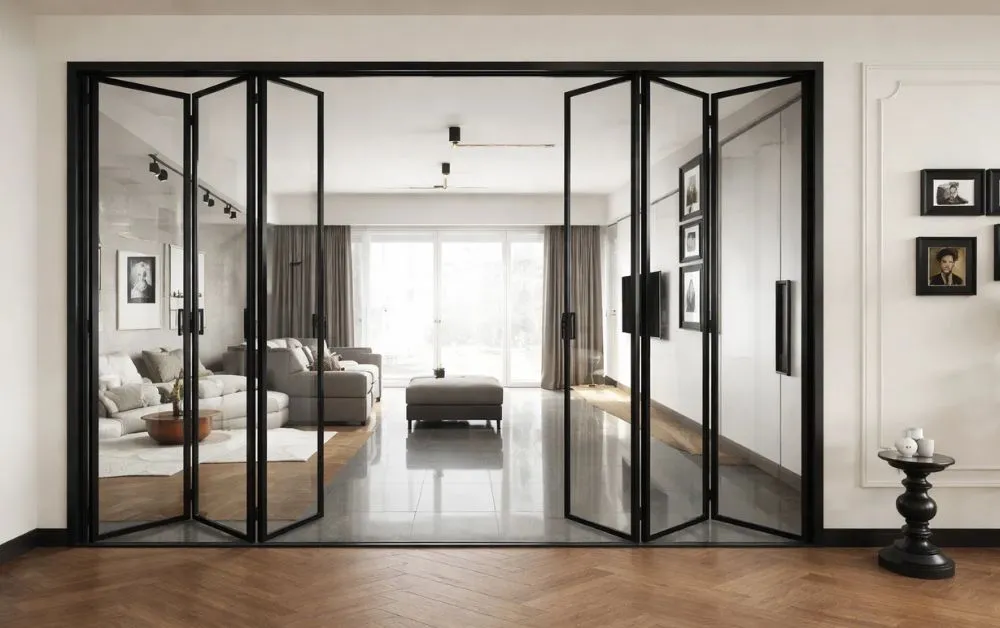
As our design preferences move toward more open-plan living and seamless transitions between spaces, doors fit perfectly into this trend. They offer the best balance of elegance, functionality, & efficiency, which is exactly what modern living spaces demand.
While traditional folding doors still serve their purpose, they may not measure up to the demands of contemporary design. Doors offer a noticeable upgrade in both form & function, making them the better choice for many homeowners today.
Conclusion
The differences between slim folding doors and traditional systems go far beyond just appearance. With their enhanced natural light, smoother operation, better insulation, and greater flexibility, slim folding doors offer clear advantages. If you’re looking for a modern upgrade that combines style & performance, these doors are an excellent choice.
For high-quality, stylish, and durable solutions, Doorman Systems offers expertly crafted door systems designed to complement the modern home and meet the needs of contemporary living spaces.